
Atlanta Jewish Foundation Impact Story
May 20, 2026
On Friday nights, Jeff would quietly walk through the doors of Chabad Intown.
He first arrived in 2015, asking if he could join services. Rabbi Eliyahu Schusterman, Founder and Director of Chabad Intown, welcomed him in. “Jeff was a quiet guy, with a good sense of humor. Very, very earnest,” he recalled.
Jeff soon became a regular presence in the community – attending Shabbat dinners, staying overnight at Chabad, and deepening his connection to Judaism.
Then, one Saturday morning in November 2018, Jeff didn’t show up. A couple hours into the service, the community learned that Jeff had relapsed and died of an overdose.
The loss blindsided the Chabad community. But what happened next stunned them even more. At Jeff’s funeral, there were about fifty Chabad community members, and over one hundred people from the recovery community. “What was so shocking was we did not know that he was in recovery,” Rabbi Schusterman said. “It was like he had this whole other world, this whole other life.”
Over time, Rabbi Schusterman began reflecting on why Jeff may have kept those two worlds separate, He concluded that “It must have been because he believed he’d be stigmatized for his addiction.”
The Human Struggle
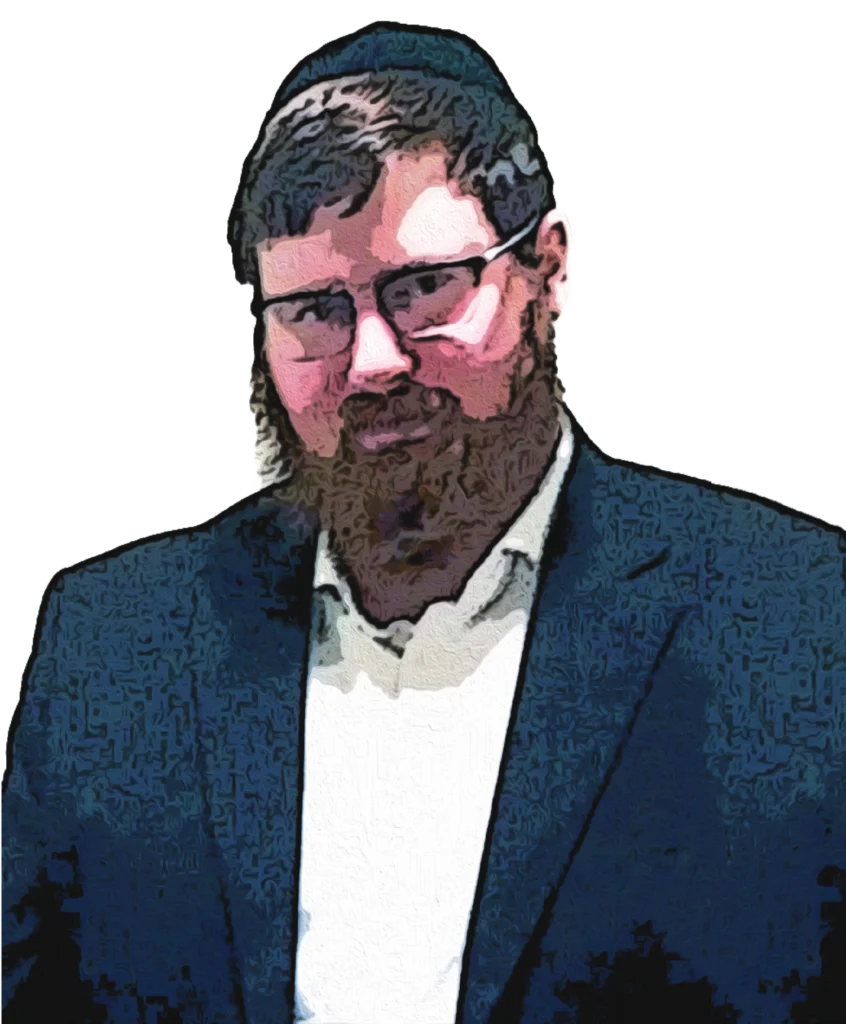
Jeff (Moishe) Kraus had initially discovered Chabad through an opioid recovery program, where participants were required to attend a house of worship each week. As a Jew, Jeff explored different spaces before eventually finding his way to Chabad Intown.
“When he came to Chabad, he found connection,” Rabbi Schusterman said. “Recovery is very deeply rooted in a spiritual path, and Chabad offers powerful mystical teachings. It’s at the heart of everything that we are. And Jeff found answers here.”
The experience also shaped Rabbi Schusterman’s own understanding of addiction and recovery. “I’ve always had a soft spot for people in recovery,” he said. “And I think a lot of that has to do with respect for the human spiritual struggle. We all struggle – not necessarily with substances. We may struggle with behaviors, or with our emotions, the journey between the mind and the heart. And people who overcome such a profound struggle – I have tremendous respect for that.”
Not Just a Name
After Jeff’s passing, Rabbi Schusterman approached Jeff’s parents with an idea. Chabad Intown was in the process of purchasing a new building on the BeltLine, and he hoped to dedicate a space in Jeff’s memory.
They agreed to support the project with a generous donation, but with one condition: the space had to actively support those in recovery. “I don’t want to just name a space,” Jeff’s mother said. “I want this place to actually benefit those in the Jewish community who are feeling stigmatized, so that they could feel that there’s a space and a community that accepts them.’”
That conversation became the foundation for Jeff’s Place.
Today, Jeff’s Place serves as both a physical space and a broader initiative dedicated to supporting recovery, reducing stigma, and creating belonging within the Jewish community.
Several Atlanta Jewish Foundation donors have been supporting Jeff’s Place through their Donor-Advised Funds – helping grow this important mission.
One of the most popular offerings at Jeff’s Place is the “BeltLine Meeting,” a non-denominational AA meeting hosting dozens of people every week. And while the meeting welcomes people from all faiths and backgrounds, Jeff’s Place focuses on answering an urgent need within the Jewish community. “A Jew who’s struggling shouldn’t have to go to a church basement to find an AA meeting because our community doesn’t have a resource for them,” Rabbi Schusterman said. “They should be able to come to a Jewish space. The more barriers we can remove, the better.”
Where Torah Meets The 12 Steps
In recent years, Jeff’s Place has expanded beyond meetings into broader education and advocacy efforts. Rabbi Schusterman participated in an interfaith opioid-response cohort funded by the Clinton Foundation, where he trained alongside clergy leaders from around the country.
Today, Rabbi Schusterman often weaves recovery language into weekly Parsha teachings. “Part of the stigma that Jews have is thinking that the 12-step program is a Christian program. It’s not. It’s a spiritual system that’s available to everyone. And if the Torah has messaging for us and the 12 Steps is one of the greatest tools helping people through recovery, there must be some synergy there.”
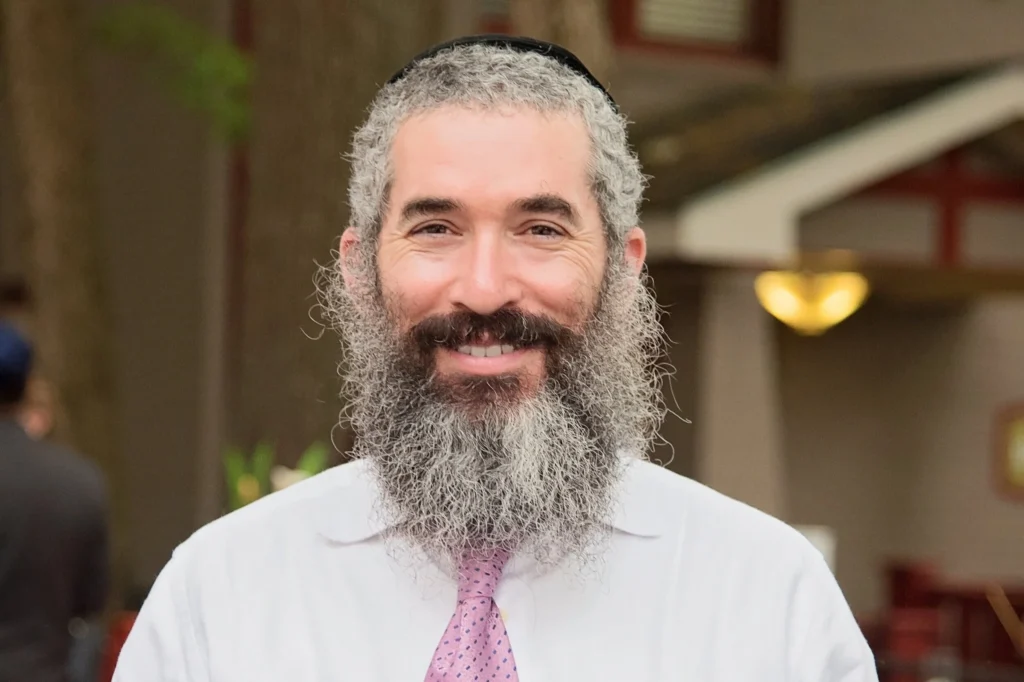
Rabbi Schusterman has found that incorporating recovery language into services can create a sense of safety for those silently struggling. “That language really empowers people in the crowd,” he explained. “People who might be in recovery or have a child who’s struggling can say, ‘Hey, this is a safe person to come and talk to.’”
Those conversations have already had a profound impact.
During a “Quieting the Silence” event focused on addiction awareness, one speaker shared that after years of struggling with addiction and feeling ostracized from the Jewish community, he heard there was an AA meeting being hosted in a Jewish space. “He said he literally cried,” Rabbi Schusterman recalled. “He finally felt like there is a place here for him.”
The Next Step
These days, Jeff’s Place is entering its next chapter. The initiative recently became an independent 501(c)(3) with its own board and strategic plan, and leaders are now seeking a new Program Director and working to expand its reach both in Atlanta and beyond.
For Rabbi Schusterman, the mission remains clear. “Addiction is part of the human condition,” he said. “Everybody can be affected by it, and we need to help the Jewish community realize that this is something that we don’t have to carry shame around. We have to think about solutions, together.”
As for Jeff’s parents, the organization’s impact is already deeply personal. “His mother said that Jeff’s Place saved them,” Rabbi Schusterman shared. “the family is still sad, obviously, but the fact that Jeff’s death found a purpose, saved them from that grief completely destroying them.”
Support Jeff’s Place through your Donor-Advised Fund or reach out to Ghila Sanders for more giving opportunities.
